Dry Molded Fiber vs Wet Molded Fiber: A Complete Guide for Manufacturers (2026)

Dry Molded Fiber vs Wet Molded Fiber: A Complete Guide for Manufacturers (2026)

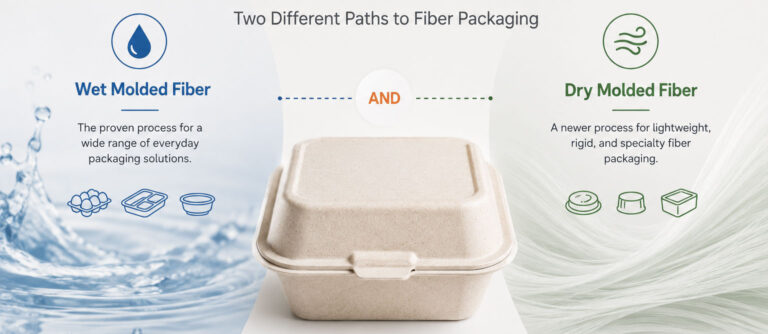
Quick Answer Dry molded fiber vs wet molded fiber is one of the most common comparisons manufacturers make when evaluating molded fiber packaging technologies. While both processes use cellulose fiber as a raw material, they differ significantly in manufacturing methods, applications, and investment considerations. Wet molding is the most established manufacturing method for producing molded…

Why Molded Fiber is Revolutionizing Sustainable Packaging Solutions

Why Molded Fiber is Revolutionizing Sustainable Packaging Solutions The Rise of Eco-Friendly Packaging: Molded Fiber Takes Center Stage In an era where sustainability is no longer optional but essential, molded fiber has emerged as a game-changer for industries seeking eco-conscious alternatives. Made from renewable materials like recycled paper, agricultural waste, or bamboo, this innovative material…

Unlocking Pulp Molding Potential with Wet-End Chemistry

Precise Control of Wet-End Chemistry to Enhance the Quality of Pulp Molding Products Comprehensive consideration of multiple factors and steps is required, here are some key control strategies: 1. Raw Material Selection and Pre-treatment 2. Selection and Optimization of Chemical Additives 3. pH Control 4. Temperature Control 5. White Water Recycling Management 6. Use of…

Unpacking the Benefits of Molded Pulp Packaging: Sustainable Packaging Solutions

  In today’s environmentally-conscious world, finding sustainable packaging solutions is more important than ever. Enter molded pulp packaging – a versatile and eco-friendly alternative that is gaining traction in various industries. In this article, we will explore the benefits of molded pulp packaging and why it is becoming a popular choice for businesses looking to…

End of content

End of content